
The Lunar and Solar Halves of the Year in Ayurveda
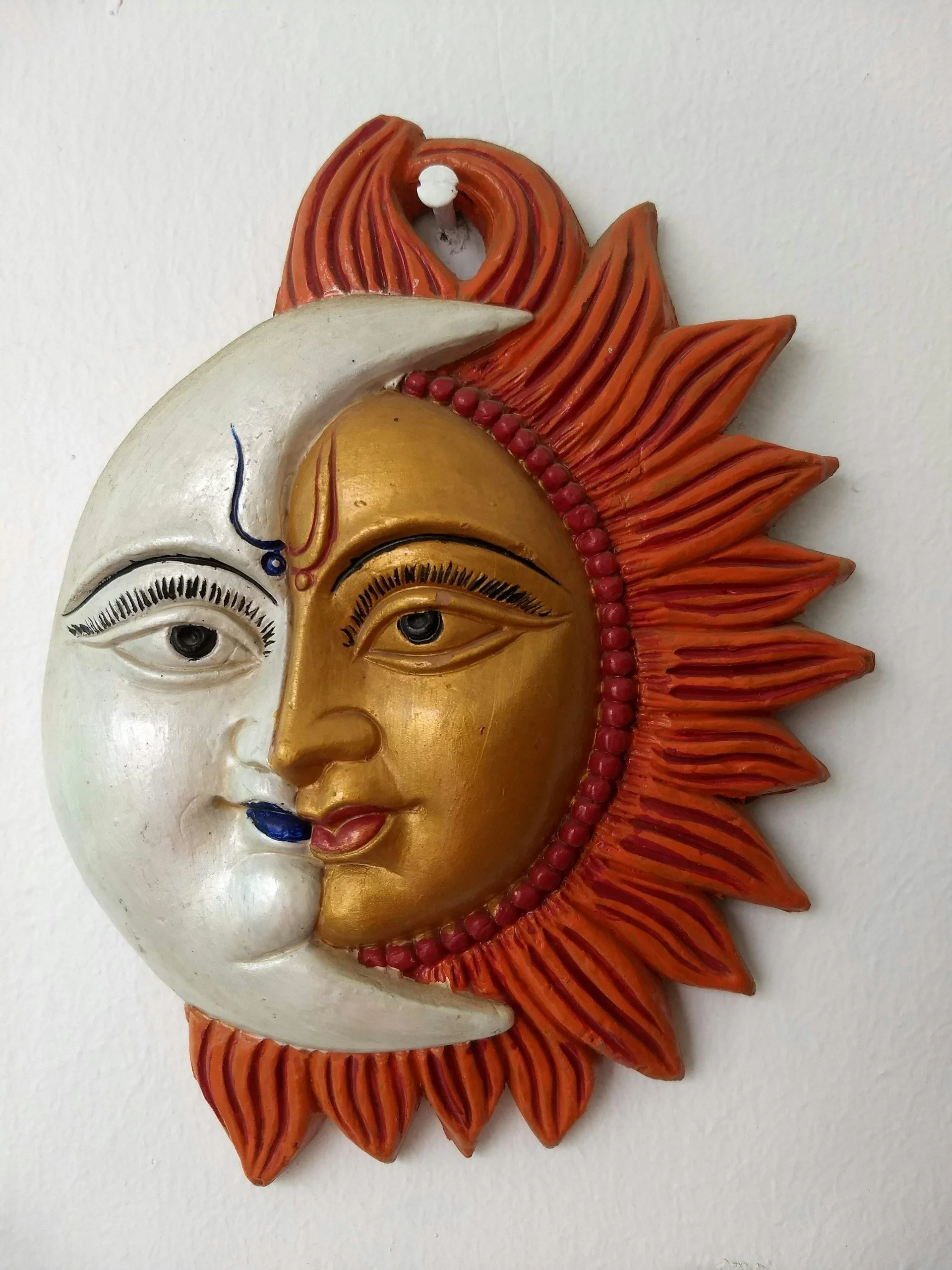
Ayurveda teaches us that the external environment has an immediate and profound impact on our internal environment. Ayurveda also reminds us that the external environment is anything but static. This is the beauty of the teaching of the 20 gunas (qualities) - these 10 pairs of opposites show us a spectrum of experience of qualities like temperature, humidity, density, weight, etc.
Classical Ayurveda understands the year as two great movements, or ayanas. These movements describe how light, heat, moisture, and vitality either build or deplete within the natural world and within us.
For those of us living in the Northern and Western Hemisphere, this framework can be especially helpful when Ayurveda’s traditional, equatorial six-season model does not cleanly map onto our four-season climate.
At the Ayurvedic Wellness Center, we often return to these two primary rhythms:
• Visarga Kala – the strengthening, nourishing half of the year
• Adana Kala – the depleting, drying half of the year
Visarga Kala: The Inward, Lunar, Strengthening Period
Visarga Kala begins around the summer solstice and carries us through fall into winter. Classical texts describe this period as the time when the sun’s intensity gradually lessens and the moon’s influence becomes more dominant.
In simple terms, this is the darkening half of the year.
As daylight shortens and temperatures cool, nature turns inward. Moisture returns to the earth. Growth becomes slower, deeper, and more contained. This is the time of year that energy and growth is directed to the roots.
From an Ayurvedic perspective, this is when the body has the greatest opportunity to rebuild strength, restore tissues, and consolidate energy.
You may notice during Visarga Kala:
a natural desire for more rest and quiet
greater tolerance (stronger agni) for heavier, warming, nourishing foods
a pull toward reflection, ritual, and routine
increased capacity to build resilience when supported properly
This is not a time to push harder. It is a time to receive.
In classical language, Visarga Kala is described as strengthening because the cooling, moist, lunar qualities counterbalance excess heat and dryness. When we align with this inward movement, our vitality is preserved and replenished.
Adana Kala: The Outward, Solar, Depleting Period
Adana Kala begins around the winter solstice and carries us through spring into summer. As daylight increases and the sun’s intensity grows, heat and dryness begin to dominate.
This is the lightening half of the year.
Energy moves outward. Activity increases. The environment becomes progressively more drying, stimulating, and demanding. This is the time of year where energy and growth is focused in a more external way - toward the branches.
Ayurveda describes Adana Kala as depleting not because it is harmful, but because it draws from our reserves.
You may notice during Adana Kala:
increased capacity for movement and activity
greater mental stimulation and outward focus
faster depletion of energy if rest is insufficient
heightened sensitivity to stress, heat, dryness, or burnout
This is a time to be intentional with pacing, nourishment, and recovery. Without conscious support, it is easy to overextend during this solar phase.
Why This Matters in the Midwest
In Michigan and much of the Midwest, what translates beautifully is this broader rhythm of building and releasing, inward and outward, lunar and solar.
Alongside understand the doshic influence of a season (Kapha influencing late winter + spring, Pitta influencing summer + early fall, and Vata late fall + early winter), we can also ask, “Is this a time to strengthen, or a time to conserve?”
Visarga Kala invites us to:
nourish deeply
slow down, and steady the nervous system
build reserves for the year ahead
Adana Kala invites us to:
move and express, grow outwardly
lighten and clear
spend energy wisely
Both halves are necessary. Neither is better. Health comes from recognizing where we are in the arc of the year and adjusting our lives accordingly.
This is the heart of seasonal living in Ayurveda, cultivating a life of rhythmic intelligence.
If you’re interested in learning how to work with environmental qualities and cycles through daily routine, food, rest, and practice, this framework is explored more deeply in our Foundations of Ayurveda course and woven throughout our seasonal offerings at the AWC.
related posts




loved what you learned? feeling inspired? share this article with someone who would benefit!
you can also share via the social icons below.