
Langhana: the Ayurvedic science of lightening up

like increases like, opposites balance
As a fundamental principle of Ayurveda, we are reminded that the qualities of an environment or substance will increase those same qualites within our organism. Food, activity, climate, herbs - these all are subject to the theory that like increases like, and opposites balance.
When our bodily environments are overly cold, heavy, wet, slimy, and sticky (these qualities create an increase of Kapha and ama) - the therapeutic approach is one we call langhana.
what is langhana?
Langhana is one of two types of therapeutic approaches outlined in Ayurveda. It means an approach that is reducing and lightening (in contrast to a brmhana or building approach).
Langhana therapies (food, lifestyle, yoga, herbs):
are predominant in Air, Ether, and Fire elements
create lightness of the body
pacifying to Kapha dosha
reduce Medo Dhatu (adipose tissue)
kindle agni (metabolic fire)
digest ama (metabolic wastes)
It is indicated in conditions caused by excess nourishment, including:
obesity (sthaulya)
inflammation (jvara)
high Kapha states
high Ama states
And most importantly for us in the northern hemisphere, it is the indicated approach during Kapha season, the spring.
why spring calls for langhana
Kapha accumulates through winter.
Cold, damp, heavy qualities build to protect and insulate us. A little extra weight. A little extra mucus. A little more stability. This is appropriate and intelligent.
But as the environment warms, Kapha liquefies. What was protective becomes obstructive.
Unchecked, this excess expresses as:
sluggish digestion
congestion and allergies
heaviness in the body
cloudy thinking
fatigue
slow elimination
For many of us, spring requires an intentional langhana approach.
how to harness langhana
The texts outline several methods that we can use for an reductive approach:
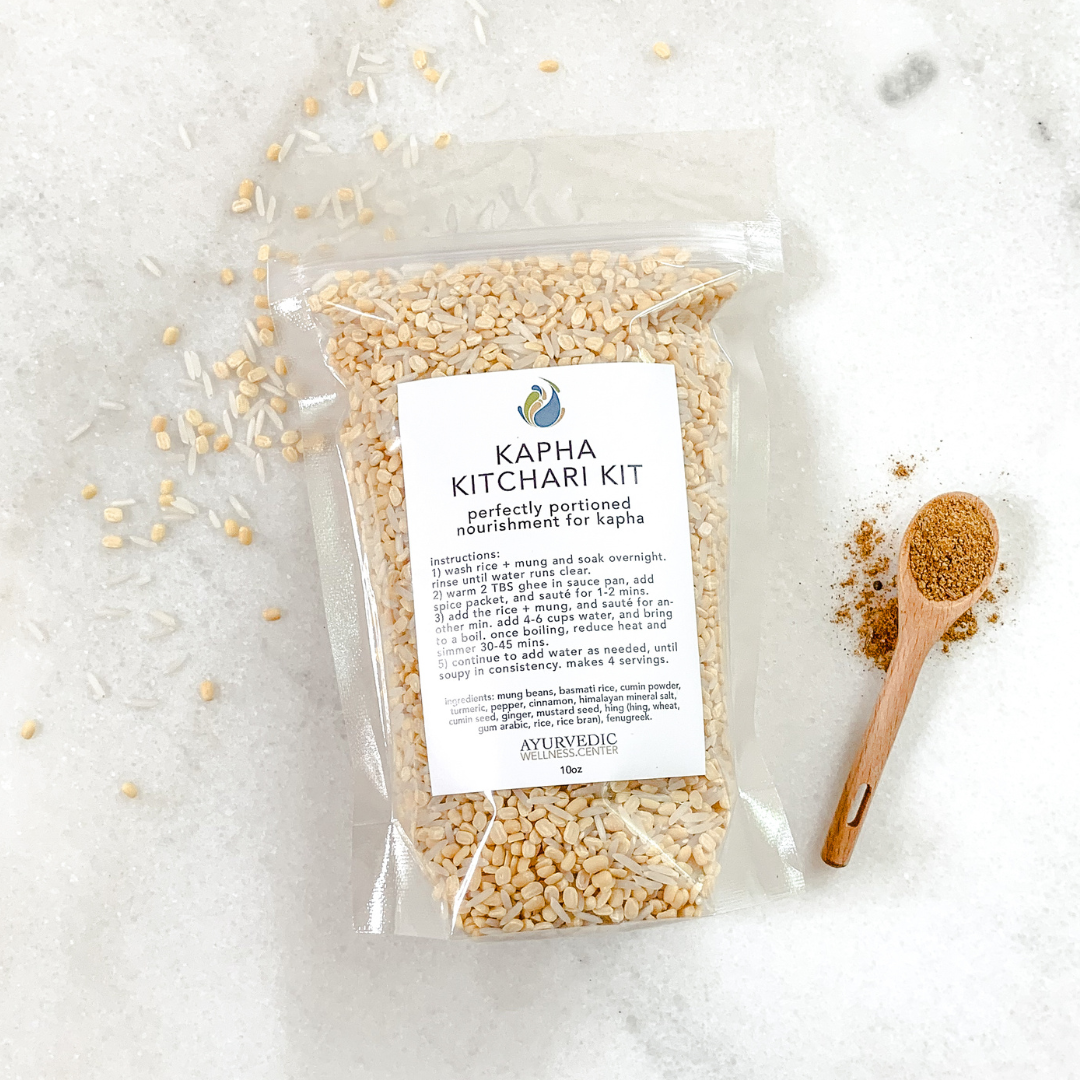
dipana: herbs that stimulate metabolic fire (like 8 Spice or 3 Pungents)
pachana: herbs that digest ama (like Amrtotharam Churna)
kshut-nigraha: regulating or reducing food intake
trishna-nigraha: regulating or reducing fluid intake
vyayama: exercise
atapa sevana: exposure to sun, circadian natural light intake
maruta sevana: exposure to wind, intake of fresh air
These are accessible approaches that can be incorporated in personalized ways to reduce Kapha and ama in the system.
a seasonal approach
Spring is a season that invites many of us to look at the accumulations of winter. It’s a nature-aligned time to lighten the load on the system, sweep out the corners, and prepare for the warmer months.
This seasonal routine, called rtucharya, is the means in which we clear accumulated metabolic waste, excess Kapha, and the stagnation and sluggishness that comes with it. This is the theory behind Ayurvedic Spring Cleanses, in which a langhana protocol is aligned with the seasonal shift to reset the system after winter.
I invite you to work with your Ayurvedic Practitioner this season to explore appropriate langhana approaches to align your body with the warming months to come and in doing so clear the channels to receive nourishment, optimize metabolism, and support the immune system.
related posts





loved what you learned? feeling inspired? share this article with someone who would benefit!
you can also share via the social icons below.