
What Ayurveda Offers in a Data-Saturated World
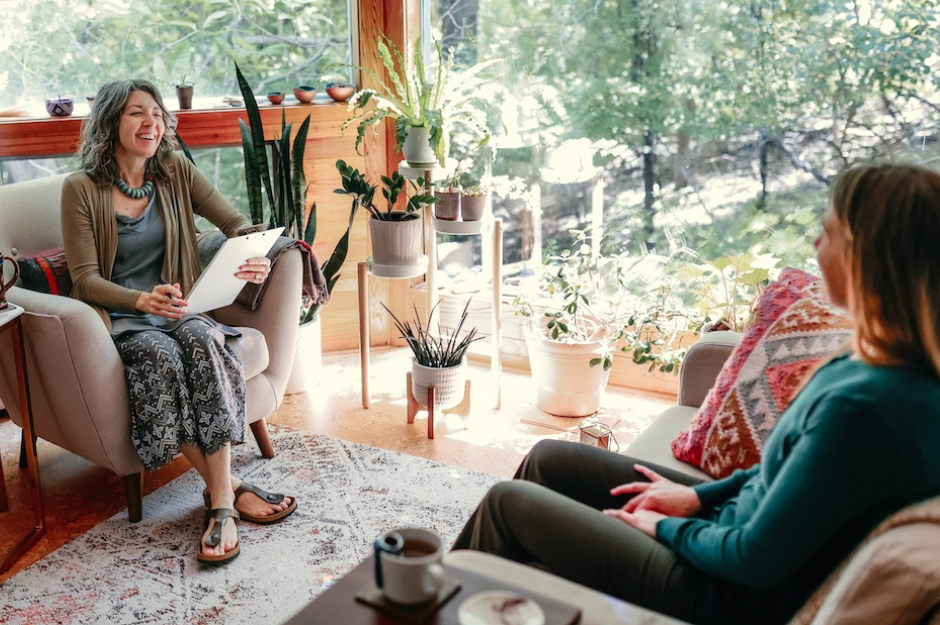
You’ve tracked your sleep. Done the labs. Followed the protocols. And you still don’t feel the way you want to feel. This isn’t a failure of effort. It’s a gap in approach, and it’s one we see often at the Ayurvedic Wellness Center.
The clients who find their way to us are health-motivated, educated, and genuinely committed. What they discover here is something the data couldn’t offer: a practice that treats the whole person, situated within their whole life.
the limits of a data-first approach
Health data is valuable. But data without context is only part of the picture.
A lab result, a wearable reading, a sleep score - these tell you something happened. Ayurveda asks: in what context did it happen, and why does it keep happening? What is this person’s constitution? What season are they in, literally and figuratively? What patterns have been building, and over how long?
That kind of inquiry doesn’t fit in an algorithm. It lives in a clinical relationship.
what Ayurveda actually is
Ayurveda is one of the world’s oldest systems of medicine, rooted in the understanding that body, mind, and environment are deeply interconnected. It’s not a supplement line or a detox protocol. It’s a complete framework for understanding health.
Where many approaches isolate a symptom or marker, Ayurveda asks a different set of questions:
What system is this imbalance arising from?
What conditions allowed it to take hold?
What patterns keep repeating, and what is sustaining them?
Digestion is examined not only by what you eat, but how your body receives and processes nourishment. Sleep is assessed not just by hours, but by rhythm and quality of rest. Stress isn’t treated as an isolated trigger - it’s understood as a pattern of response, shaped by constitution and accumulated over time.
In a wellness culture that tends to fragment both attention and physiology, Ayurveda re-teaches interconnectedness - and uses that understanding to create lasting change.
why clinical Ayurveda works differently
Many of our clients have worked with multiple approaches or practitioners before coming to us. Here are some of the approaches that differentiate our approach.
In clinical Ayurveda, we always begin at the beginning. We seek to understand:
Nourishment, digestion, metabolism, and elimination
Sleep quality and daily rhythms
What was happening when the imbalance first emerged
How the person responds to stress, and what has helped or worsened things over time
A protocol is built from that understanding. Implementation and accountability are part of the medicine. We support clients in applying the plan, troubleshoot what arises, check in as things shift, and adjust as their life evolves. Health is not static, and care shouldn’t be either.
the therapeutic relationship as medicine
There is something a skilled practitioner offers that no tool can replicate: the ability to see the pattern you cannot see from inside your own experience.
A clinical Ayurvedic practitioner doesn’t just add more information to your stack. They help contextualize what’s already there: identifying what’s meaningful, what needs attention first, and what subtle signs point toward the deeper cause.
That ongoing relationship becomes a steady point of reference. Especially when life feels hectic, and you’re balancing a busy life, having structured, consistent support changes what’s possible.
who this work is for
This approach is for those who are ready to look at their current state of balance, not just their symptom list. Those who understand that meaningful change happens over time, and who are willing to meet that process with consistency and honest reflection.
Whether you are navigating minor imbalances or complex chronic conditions - whether you are working within Ayurveda alone or alongside existing medical care - this work meets you where you are.
If you’re ready for a personalized, supported, and deeply integrative approach to your health, we’d welcome the conversation.
Schedule a Discovery Call to take the first step.
Delve deeper as an Ayurvedic Beginner.
related posts



loved what you learned? feeling inspired? share this article with someone who would benefit!
you can also share via the social icons below.